Fanesca: a pot of Ecuadorian identity
by lorena fernández abdo
Three generations of women sit around a kitchen table, peeling maize kernels. Bowls of various sizes fill the table; some have peas, some have fresh beans, some have chochos. They wait their turn to be peeled, quietly listening to the remarks and stories the women share.
Like all Ecuadorian holidays, Holy Week is a time for family get-togethers, yet no other holiday across this multicultural land is quite so homogenized in the food for the occasion than in the days leading up to Easter. Enter, the superb fanesca.
A soup, you say? No. Ecuadorians know soups; a lunch is not a lunch if it doesn’t start with a bowl of soup, and if it’s soup you want, go to Ecuador. But fanesca is not a starter, nor would it ever be grouped with other dishes that could pass as a light meal. Fanesca is the queen of all soups, not least because it carries the density of religious symbolism and enough fibre to unblock a pancake-eating elephant.
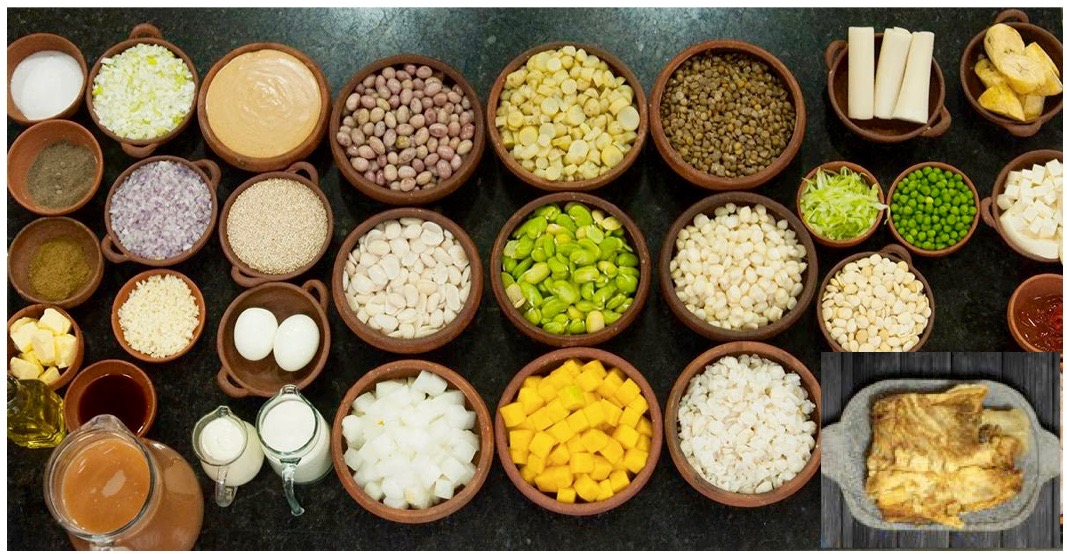
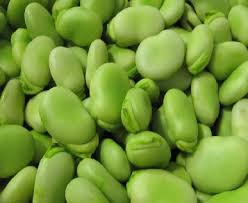
The history of fanesca begins at the hard-working hands of indigenous groups, who for centuries have kept their commitment to the Pachamama — mother Earth. Once the Spanish colonized the region, compromises were made in order to accommodate Catholicism. The uchucuta (the quicha name for the early version of fanesca) was originally a soup made in one — Pawcar Raymi — of the four important dates of the indigenous agro-centric calendar. It contained a healthy variety of the early grains of the harvest season, including broad beans, chochos, peas, white beans, sambo (a variety in the pumpkin family), and some say it even had wild guinea pig meat. Once Spanish priests got their spoon in the soup, the wild meat was replaced for fish (bacalao), and other grains were added in order to make exactly 12 key ingredients that would represent the 12 apostles. This does not mean that fanesca is made with 12 different ingredients; it has so many more! In fact, the list of ingredients for this dish is longer than the average grocery shopping bill. Nevermind the pre-soaking, peeling, separate boiling, blending, frying and stewing that it takes to make the soup part, because on the actual day of the big family lunch, there will be a frenzy of work in the kitchen to prepare all the trimmings this dish is served and decorated with.
In each family, there is usually one seasoned matriarch who organizes the time, people, and tasks associated with creating this year’s fanesca masterpiece. However, nowadays there are plenty of restaurants that offer fanesca during the season, so that whether you simply cannot summon the energy it takes to cook this meal, or if you are a self-designated carishina (a quichua word describing women who fall short in their domestic dexterities) the family can enjoy a good bowl of fanesca.
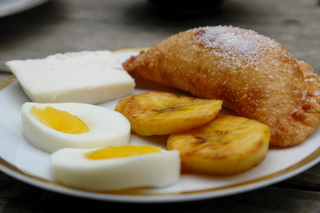
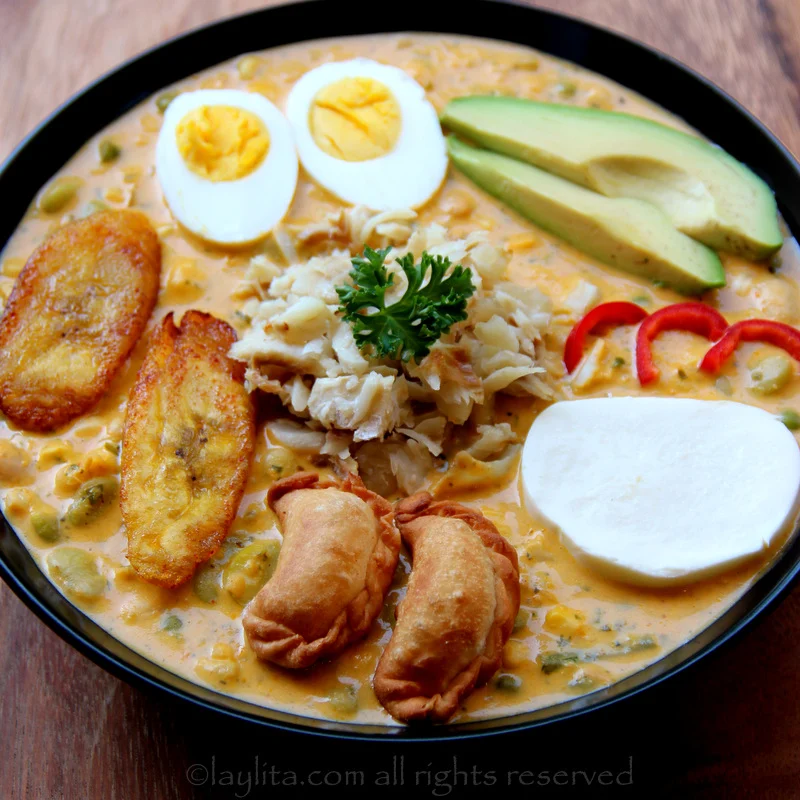
Clean, perfumed, and well dressed, all attending family members to the big fanesca lunch are in danger of being recruited into the kitchen, to help with the afore-mentioned trimmings. A good fanesca is served with mini fried cheese empanadas — akin to a pasty, — slices of fried sweet plantain, boiled egg, avocado, fresh cheese, chili peppers, and onion. Could you put all of these on a plate and have yourself a meal? Of course, but Holy week is not the time to preach about sensibly-portioned meals.
Sat at the table, with everything ready to serve, the family proceeds to allocate to each generation their needs and preferences. You see, the elder will have the full traditional, all trimmings, and a second serving, if you’re offering. Their sons and daughters are slightly more tricky, as two of the aunties cannot have any dairy — did I mentioned fanesca contains milk, cheese and cream? — and there’s that one uncle who has never liked onion, so hold the garnish onions for him. Oh! and no fried empanadas for the one who is on a diet!
Then comes the very picky third generation, none of whom like bacalao in their soup, some for ethical reasons, some for less clear reasons… two cousins will have extra empanadas, two will have no empanadas, eggs, or fried plantain. One cousin is blatantly defying tradition, and has brought his own vegan soup, currently in the microwave. Finally, the kids. Some kids eat like the elders; all in and seconds if you have them. Some kids pick away, like their parents, and a couple are following in the steps of their vegan uncle, to the annoyance of their mother and utter shock of their grandmother.
Happy fanesca, everyone!
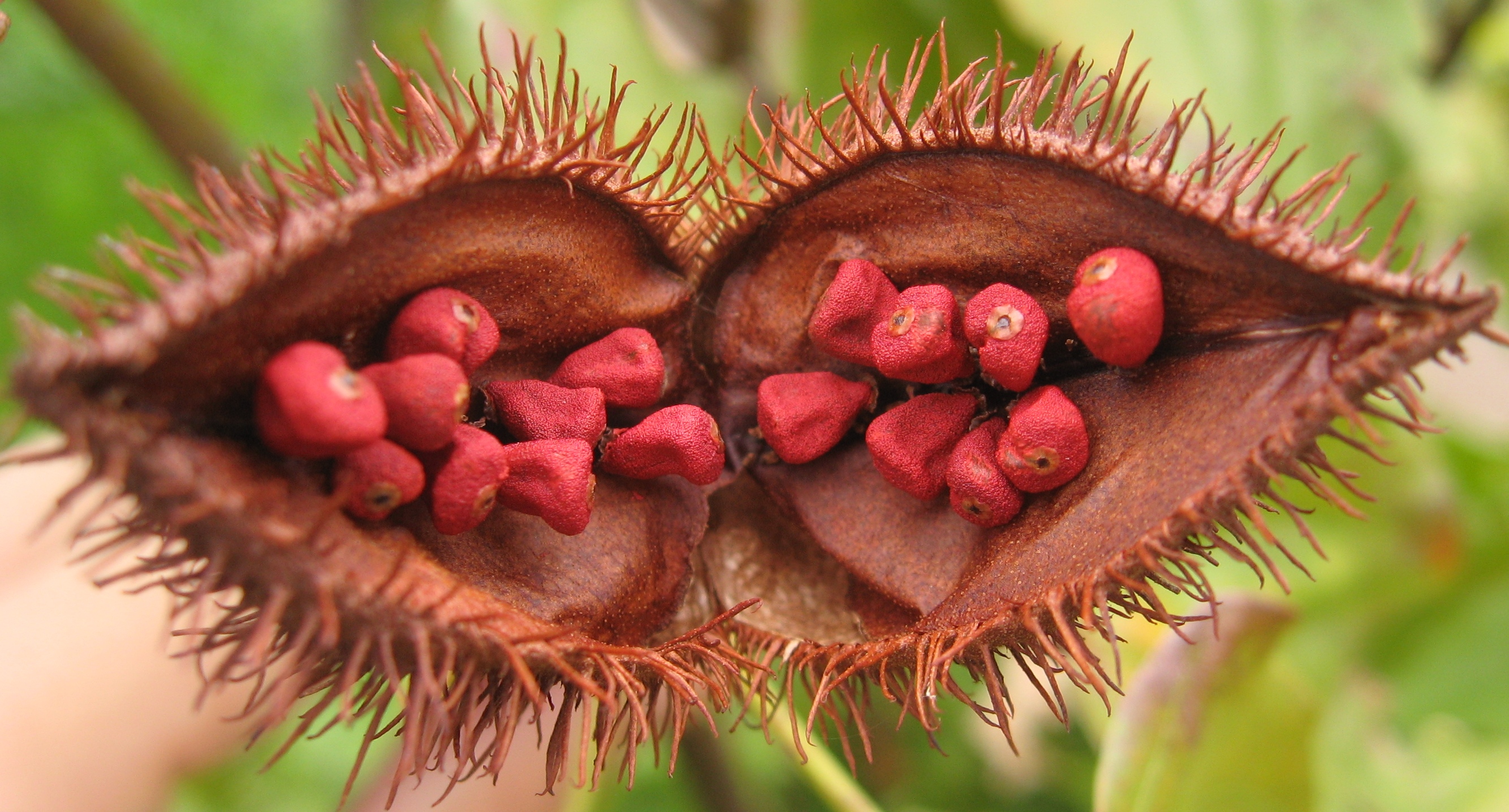
If you, like me, are currently not in Ecuador, I feel your pain. There is no amount of substitutions that can successfully recreate a real fanesca once you fail to find (as you will) chochos, choclo tierno, habas tiernas and achiote. Plus, grandma. The uncle who is on a diet. The vegan, who we all love, despite himself. Fanesca is a typical Ecuadorian soup, and like all good things Ecuadorian, it comes with family.