Flirting with the limit between adventurous and stupid, I ventured into a jam-packed branch of El Tahrir in downtown Cairo. It was the middle of the blazing summer, and nearly sunset during the month of Ramadan. The fast food joint was snug, and every single one of the dozens of starving customers were men. In comes the Latina, hair uncovered, not a word of Arabic. She would like to eat something. What’s good? I paid some money and proceeded to wait in the crowd, hoping the guy at the till would remembered what I ordered, because I didn’t have a clue.
El Tahrir specializes in one traditional Egyptian dish: koshary. It consists of a magnificent carbohydrate combination of pasta, fried rice, vermicelli, topped off with lentils, chickpeas, and a tomato sauce to bring it all together. When you have been fasting all day — albeit out of respect rather than religion, — a plate of koshary is the mirage in the desert that suddenly becomes reality. That is, if you can get your hands on a take-out bag. As the orders got packed, the guy at the till yelled out numbers, and the men in the crowd complained and let the winner through. One guy standing next to me started to get very annoyed about his number not being called up. He started yelling at the till man, and soon there were more men joining the abuse. It was at this point that it dawned on me where I was. I was in Egypt. By myself. In a super tight crowd of hungry men yelling things I could not understand, all of whom had ordered the same dish, and wanted nothing more than to get their food and make their way to a breezy spot where they could sit down and break their fast. The guy at the till roared above the noise and said (according to my non-Arabic version of this story) “Behave yourselves! This lovely Ecuadorian girl is going to get the wrong impression of us! In fact, I will give her the next order, and I want no complaints!” Then he quickly handed me a bag, which no one objected to, and I slipped out of the restaurant, bag in hand, happy as a clam taking home the bacon, as clams do.
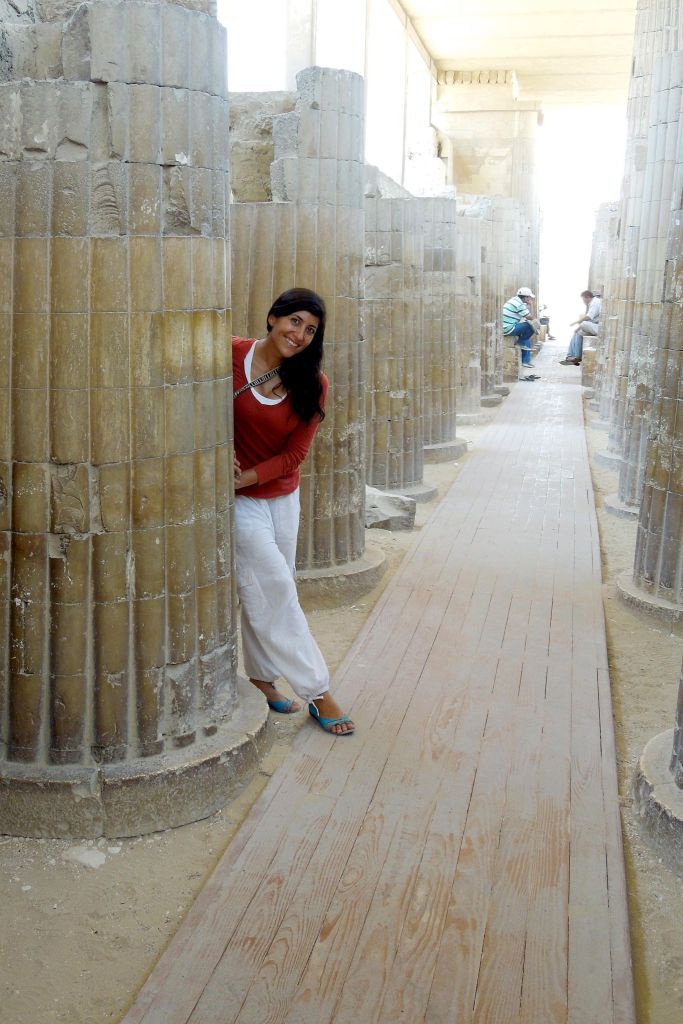
Before stepping into Egypt, it is easy and wrong to form ideas of what Egyptian culture might be like. I confess I was terrified, having heard some off-putting stories from a friend who lived in Cairo. I had to talk myself into walking out of the airport, as I had not planned to visit Egypt by myself, and the stories of my single female friend were suddenly narrating on repeat in my head. The moment I got into the taxi, however, this magnificently familiar culture began to show its true colors. Egypt was the first Arab country I had ever visited, and as a Palestinian descendant, it was a bit like stepping into a reality I had only known to occur inside my relatives’ homes. Of course Egyptians will be very quick to point out that they are not Arabs; they are Egyptians, but at the time, it was the closest thing to Palestine I had ever seen, and it was as welcoming as I could have imagined.
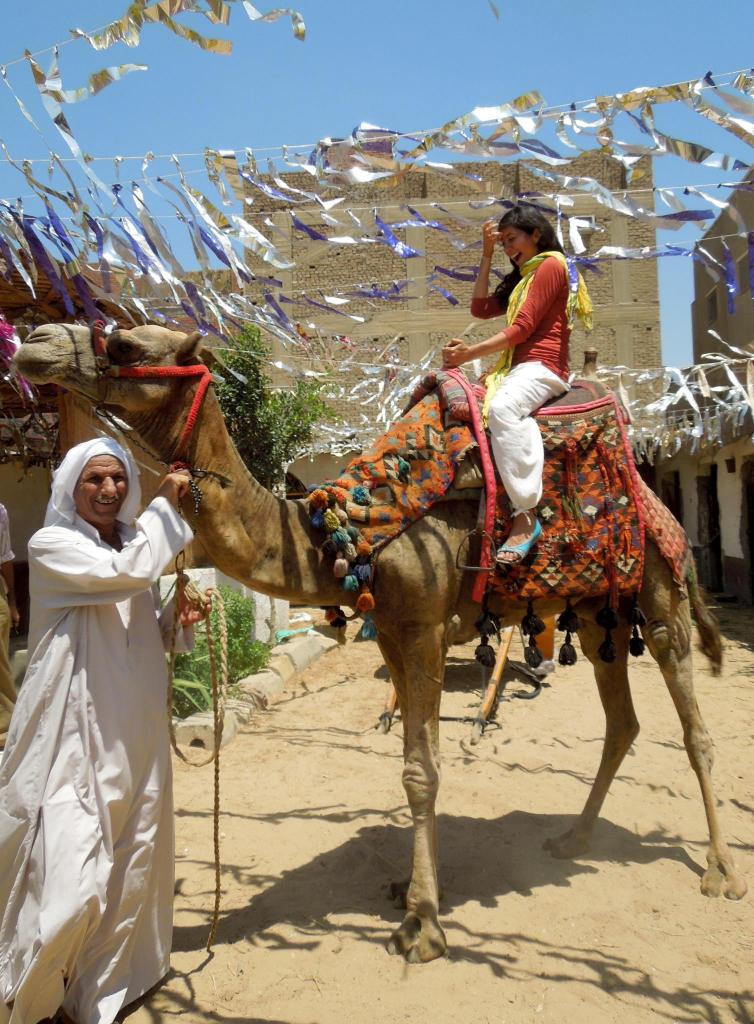
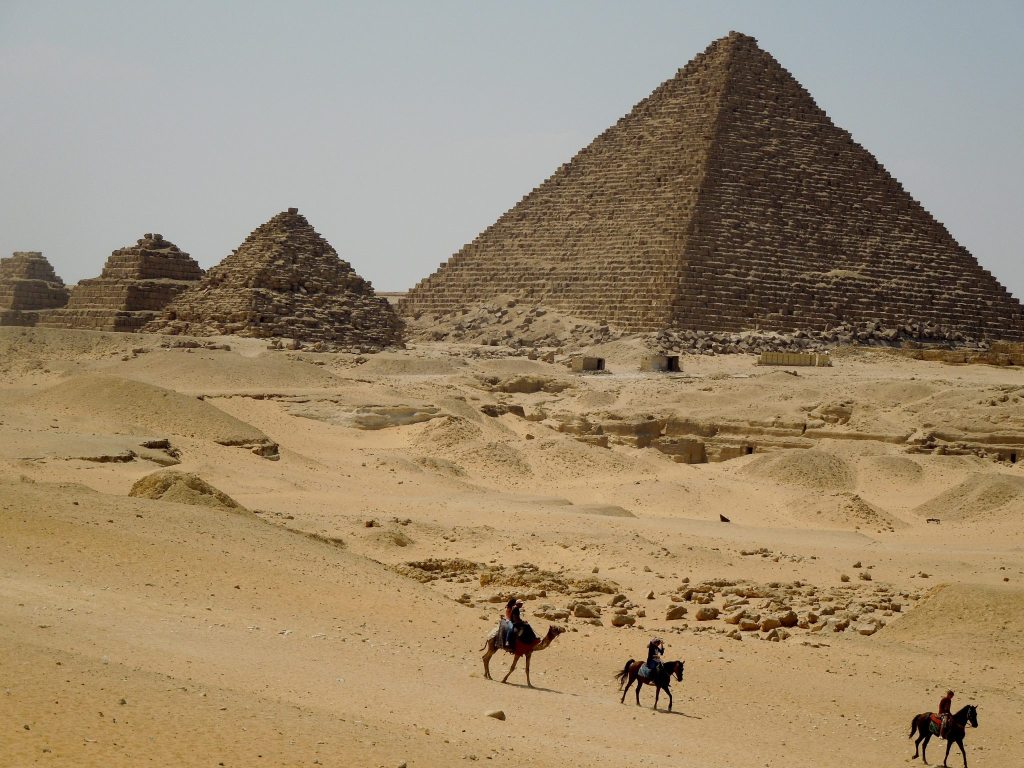
Without leaving the capital, any visitor can hop on a camel, walk in between unbelievably gigantic pyramids, attempt to decipher hieroglyphics chiseled onto ancient ruins, buy some papyrus, and design their own perfume. That’s day one. The rest of the days were frankly spent eating, shopping for food, watching people make food, watching people eat food, while eating.
 Lorena Fernández Abdo
Leave a comment