A senior employee of the British High Commission came to live in Lilongwe under a two-year contract. He drove a brand-new SUV, sent his kids to the most expensive school in the country, and employed enough domestic staff to keep his wife happily free of things to do. At the end of his contract, with a job waiting for him back home, he put an ad on a local expat Google group: he was selling a half-broken toaster for US$60.
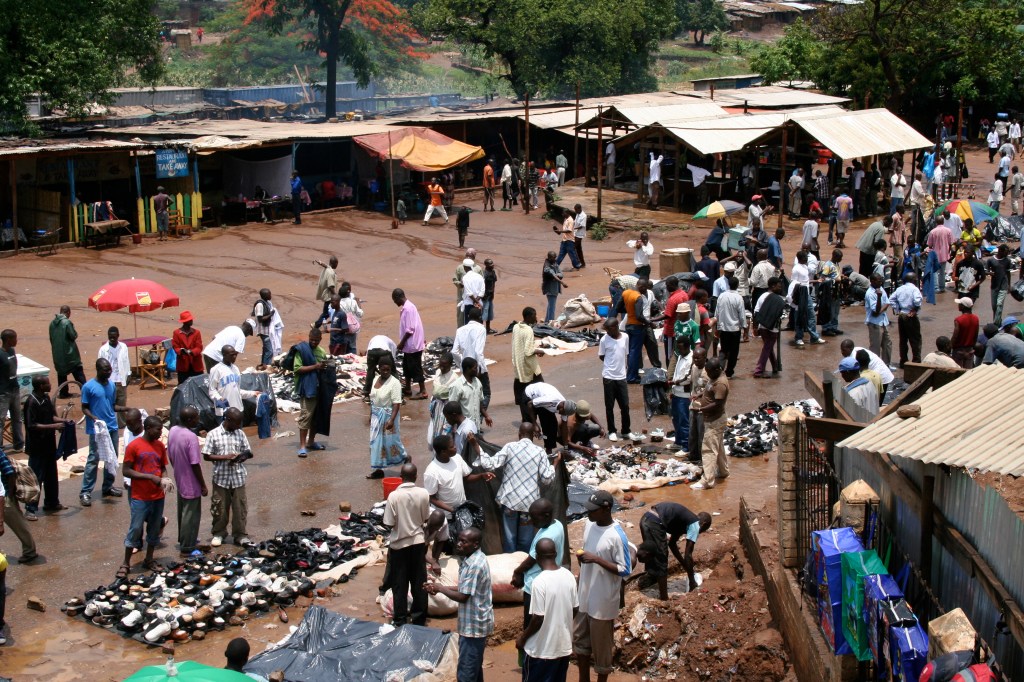
For better or worse, Malawi is a country of second-hand things. Old machinery from ‘charitable’ companies in Japan, used clothes from the United States and Europe, imported vehicles previously driven by at least three other owners, etc. Whether poverty has amalgamated recycling practices into Malawian culture, or whether it just comes as common sense for Malawians because they are not yet under the spell of consumerism, there is little in this country that doesn’t get a second, third, or fourth use.
Zioney has worked as a cleaner in our house in Lilongwe for over a decade – long before we moved in. Every day she takes the plastic supermarket bag used as a bin liner, empties it out into a big trash can outside the house, washes the bag, hangs it to dry, and neatly puts it back in the bin. The cupboard under the sink is overflowing with plastic supermarket bags, but that is not the point.
Both toaster guy and Zioney are taking part in re-use practices, but while Zioney is washing carrier bags because she doesn’t see the point of throwing them away, toaster guy is trying to make extra money from a domestic machine that he could simply allow someone else to re-use.
Lilongwe is brimming with well-paid aid workers who come to ‘teach’ Malawians how to eat, dress, and educate their children. I’d argue there is much to learn from Malawians.
I dare predict a few months from now, when Mr Toaster has settled back in London, his wife is going to take a bag full of stuff they brought from Malawi and drop it off at one of the many charity shops all over high streets in England. Some of those items might even be purchased at the second-hand clothes market in Lilongwe by someone who used to work for him.
 Lorena Fernández Abdo
Leave a comment