Parting from the Malawian capital, a simple trace of pencil moved across most of the large territory of Mozambique, ending on a cross on the marked spot of Tofo Beach, a recognized beach bum paradise. A road-trip, it was decided, with a mission to make use of a hot-off-the-press PADI scuba diving license. Sometimes, when you are focused on a particularly interesting goal, you overlook the ridiculously long distance you are volunteering yourself to drive, and only realize the extent of your dislike for driving once the trip is two days in; your only companion a non-driver.
Nevermind, at least I get to pick the stops. The very best thing about road-trips are the car snacks. All across the vast land that is Mozambique, the remnants of colonial cash crops provide an abundant source of roadside vendors with culinary treats. Bags of freshly roasted cashews, family size, for a few pennies. Perfectly ripe tangerines sold by the bucket, coconuts processed in nearly all the ways humans are able to consume them.
For the first few days, I focused on adding up miles and eating my way through as many different treats as I could handle. The rural scenery from the long, boring road from Tete to Chimoio was not much to look at. There was poverty. The kind that coming from Malawi doesn’t have a shock value anymore. There were hints of the types of social problems that endemic poverty brings, which, sadly, is also not so shocking anymore. But there was also a sadness, a quiet sorrow under the shade of thousands of fantastically tall palm trees. Wherever we stopped, I asked about food, as I do, and soon I was hearing about the history of this relatively new country, its cash crops, its exports, and the weight of its unsettling past.
The official language of Mozambique is Portuguese. I was overtly enthusiastic about this fact, mostly because it was the closest thing to Spanish I had heard for a long while. Mozambicans, however, were a lot less enthusiastic about their Portuguese-speaking abilities. They gave me a funny look when I attempted my Portañol (Portuguese + Español), but not in the amused way in which Malawians celebrated my poor attempts at Chichewa. That numbed sadness seemed to appear in little puffs of smoke at the end of their sentences. I put it down to the prevalence of tribal languages, and stubbornly continued my enthusiastic efforts to communicate in shattered Portuguese.
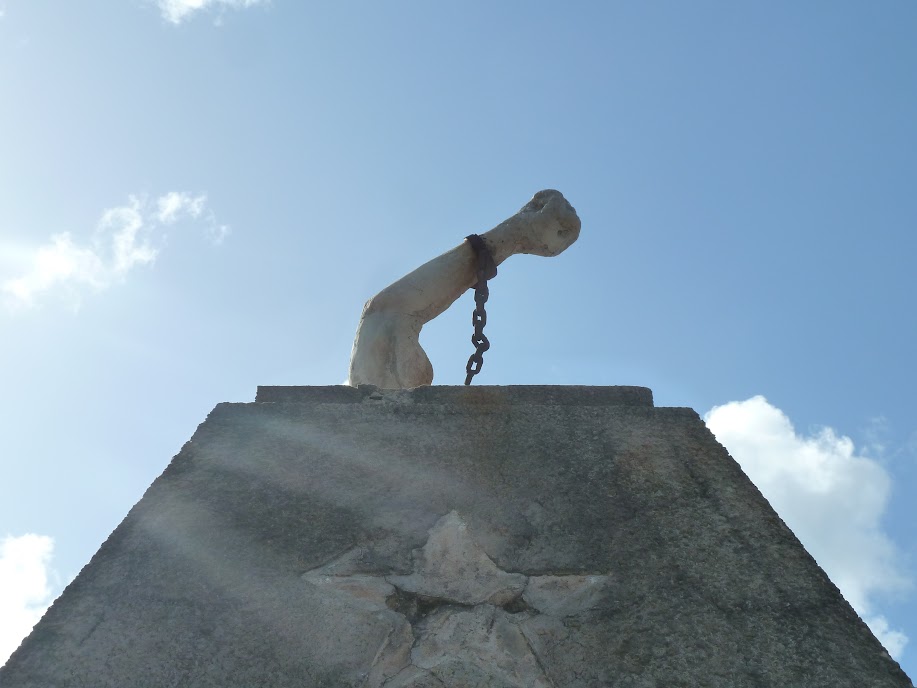
Little did I know. From the food they sell on the side of the road, to the gray cities that stand out amongst the vast rural poverty, to the words that outline the very constitution of Mozambique, there is no country in the world that can better explain the effects of prolonged slavery, denigration of an entire population, and merciless suction of human and natural resources for the benefit of people on the other side of the globe.
One anecdote stayed with me. It was about wells, and how, when the Portuguese were finally expelled from the country, they poured cement down these vital sources of water. Turns out, they didn’t just do that in Mozambique; plenty of stories coming out of Angola have similar golden nuggets of pure evil.
In terms of denigration and degradation, during the approximate 400 year-rule of Portugal over the territory now known as Mozambique, the tiny minority of Portuguese citizens who ruled and owned the ‘overseas province’ firmly enforced beliefs of Africans being of “innate inferiority”. There was segregation in schools — when they finally got around to attempting to educate the population, which was a development of only a few dozen years — and the quality of education was drastically different for children of Portuguese passport-holders and children of Mozambicans.
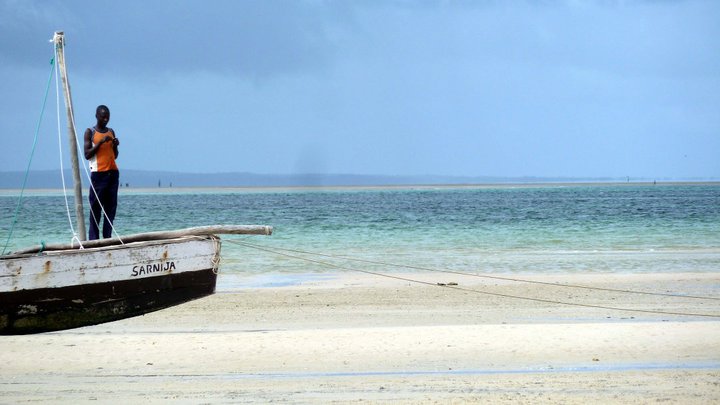
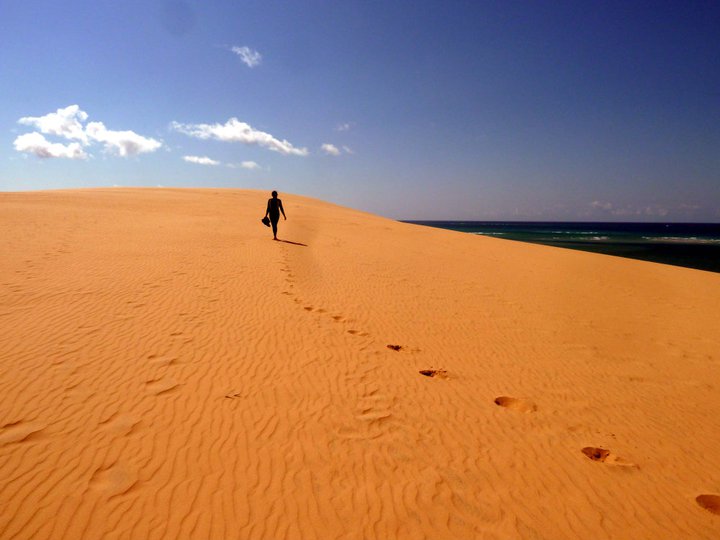
Perhaps all this depressing information is persuading you to take Mozambique off your travel list. This would be a grave mistake. The beaches of Mozambique enthralled Muslim traders, Portuguese explorers, and continue to enthrall all types of people who see past the historical profile of this place. Tofu beach, our ultimate destination, is as picture-perfect above water as it is under. Swimming with whale sharks and dolphins will be one of many cherished memories. But also diving at incredible locations, visiting the local market where one can find — almost lined-up to perfection — the ingredients for, say, garlic and butter shrimp/langoustine with coconut rice, a simple onion and tomato salad, and some fine South African white wine.
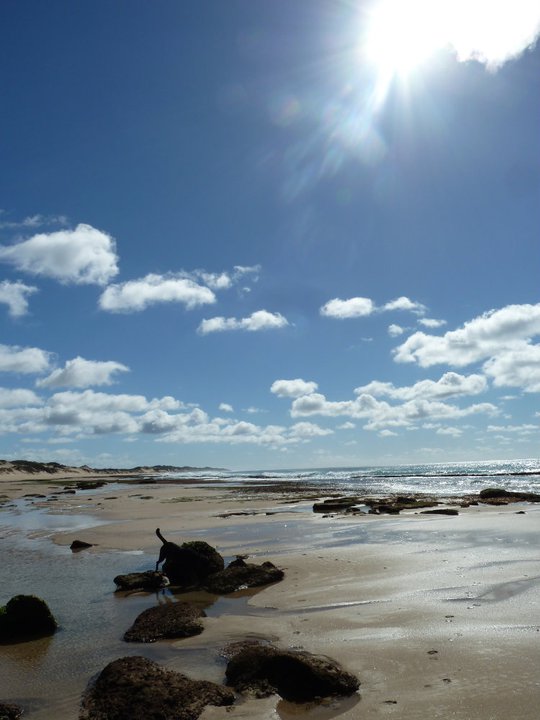
It is possible to travel cheaply and make money last along the coast of this large nation, as there are wonderfully lively budget hostels that allow camping and self-catering. However, if you have a little bit of extra cash to spend, there are some amazing hotels that offer luxury accommodation as well as first-class dinning. We tried our luck in a place in Vilankulo, which did not disappoint. Infinity pool, beautiful chalet, and the best seafood platter I’ve had in years.

 Lorena Fernández Abdo
Leave a comment